TRAUMA RELIEF
Inner Essentials
with
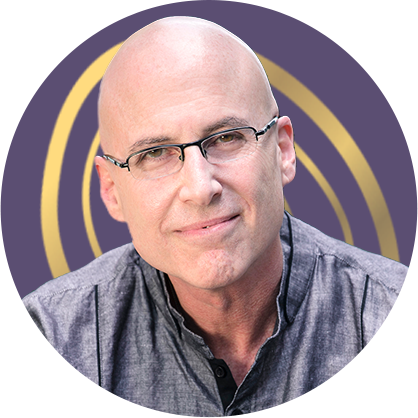
Jeffrey Rutstein, PsyD
MODULE 1 | VIDEOS 1-3
Introduction
No one is immune from traumatic experiences, and relief is possible. This series, guided by Dr Jeffrey Rutstein and created by the Sounds True Foundation, is a practical and compassionate guide for anyone affected by trauma.
This content is for anyone who has experienced trauma or whose loved ones have gone through trauma. The goal is to help you support both them and yourself. It is intended to be immediately available and helpful—you don’t have to follow a strict order. You can skip right to the exercise sections if you want to start practicing right away.
Some key takeaways in this module are
Trauma is a nervous system issue, not a personal flaw.
Pain and suffering are deeply tied to the nervous system’s reaction to a circumstance, not a sign of personal weakness or a lack of willpower.
Practice self-kindness and compassion.
Judging feelings of stress, overwhelm, shame, or inadequacy will only make you feel worse. Your nervous system needs time, support, and kindness to heal.
Healing begins with grounding and allowing.
The path to recovery begins with finding a way to come back into your body and feel a sense of grounding (like noticing points of contact with a surface). It also requires allowing the range of emotions—even the difficult ones like rage, numbness, or despair—without fighting them or sinking into them.
MODULE 2 | VIDEOS 4-8
Practices for High-Energy Activation (Fight or Flight)
Some key takeaways in this module are
Practice each tool consistently.
To effectively shift your state, try each of the recommended practices (Long Outbreath, Grounding, Containment Hug, and Voo Breath) at least three times. For long-term development of your capacity to self-regulate, practice at least one for five minutes every day.
Use the Long Outbreath to down-regulate.
High-energy states often cause you to feel scattered or out of your body. Grounding involves directing your awareness to your body’s contact points with the ground or a supporting surface (like your feet on the floor) and gently engaging muscles to enhance this sense of connection and stability.
Grounding reconnects you to the body.
High-energy states often cause you to feel scattered or out of your body. Grounding involves directing your awareness to your body’s contact points with the ground or a supporting surface (like your feet on the floor) and gently engaging muscles to enhance this sense of connection and stability.
The Containment Hug offers a self-soothing touch.
Use the self-hug (crossing arms and squeezing the chest) to feel safely held when feeling fragmented. This self-touch soothes and re-regulates the nervous system. You can turbo-charge this by adding the long outbreath or a gentle, fluid, side-to-side rocking motion.
The Voo Breath uses vibration for soothing
The Voo Breath (coined by Dr. Peter Levine) involves chanting the sound “Voo” on a deep exhale. This creates a vibration in the chest and abdomen that effectively soothes and re-regulates the nervous system, combining the benefits of a long outbreath with toning.
MODULE 3 | VIDEOS 9-13
Practices for Low-Energy Activation (Shutdown and Collapse)
Some key takeaways in this module are
Raise your energy.
When in a state of shutdown and collapse, the primary aim of the practice is to increase available energy just enough to lean back into regulation, which requires moving out of the low-energy trough.
Use physical contact to re-engage the body.
Practices like patting the extremities (arms, legs, sides of the body) with a firm, non-painful touch quickly raise energy. This movement provides sensory input that helps you return to body awareness and overcome the sluggishness associated with the collapsed state.
Incorporate active, energy-raising movement.
A key to recovery is using spontaneous, fast movement to force the nervous system to generate energy. This includes flapping arms, walking or marching in place, jumping jacks, exercise, or even active cleaning. This is “mobility energy,” which is distinct from the energy of anxiety or fear.
Singing loudly increases engagement.
Toning, chanting, or singing loudly forces the nervous system to create and engage with more energy. The projection and volume of the voice help move you out of the low-energy state and back toward regulation.
Use cold water for extreme sluggishness.
For very severe or stubborn low-energy states, applying cold water or ice to the face, back of the neck, temples, and wrists can provide a sudden, shocking rush of energy. This is considered a high-strength tool to be used when other practices are insufficient (and if you do not have a temperature-related skin condition).
MODULE 4 | VIDEOS 14-17
Additional Resources and Strategies
Some key takeaways in this module are
Co-regulate with safe people.
While many practices are self-directed, sometimes the nervous system shifts better with the help of others (co-regulation). A full 30-second hug with a safe and comfortable person is a highly potent tool that provides enough time for the nervous system to shift out of high or low activation.
Past trauma increases sensitivity.
If you have a history of trauma (e.g., childhood trauma, war, natural disaster), your current reaction may be stronger because the new event reactivates the burden of the past. This isn’t a fault; it simply means your nervous system is more sensitized and will require extra time and compassion to recover.
Prioritize your own “oxygen mask.”
For first responders, service providers, or anyone helping others, it is essential to practice consistent self-care. You must put on your own “oxygen mask” (e.g., using a quick grounding exercise or the long outbreath while sitting with someone’s pain) to maintain your resilience and prevent yourself from getting overwhelmed or burned out.
Engage in simple, regulating activities.
Beyond formal practices, integrate simple, life-affirming activities into your day. Anything that makes you feel less alone and more seen—such as petting an animal, listening to music, gardening, gentle trauma-informed yoga, or having tea with a friend who will just listen—will help the nervous system find its way home to regulation.